Maximize Your Time: The Benefits of HIIT and Short Workouts
In today's fast-paced world, finding time to exercise can be challenging. However, incorporating High-Intensity Interval Training (HIIT) and short workouts into your routine can be a game changer. These time-efficient exercises provide significant health benefits, including improved cardiovascular fitness, enhanced muscle tone, and increased metabolism. By maximizing your time with HIIT, you can enjoy effective workouts in as little as 20 to 30 minutes, making it easier to squeeze fitness into even the busiest schedules.
Additionally, the versatility of short workouts allows you to tailor your exercise regimen to suit your personal preferences and goals. Whether you prefer circuit training, bodyweight exercises, or kettlebell routines, these compact sessions can be both exciting and rewarding. Not only do they save time, but they also promote consistency and adherence to your fitness journey. Overall, embracing HIIT and short workouts can lead to lasting health improvements while keeping your routine fresh and engaging.
HIIT vs. Traditional Workouts: Which Is Right for You?
HIIT (High-Intensity Interval Training) and traditional workouts are two popular approaches to fitness, each with its own unique benefits. HIIT involves short bursts of intense exercise followed by rest or low-intensity periods, making it an efficient way to burn calories in a shorter amount of time. This style of training not only improves cardiovascular fitness but also boosts your metabolism long after the workout is finished, allowing you to continue burning calories throughout the day. On the other hand, traditional workouts, such as steady-state cardio or weight lifting, promote a consistent, gradual increase in strength and endurance over an extended period and can be easier on the joints for some individuals.
Choosing between HIIT and traditional workouts largely depends on your personal fitness goals, lifestyle, and preferences. If you're looking for a time-efficient method to shed pounds and boost your cardiovascular health, HIIT may be the perfect fit. However, if you prefer a more relaxed pace or are focused on building a strong foundation in strength training, traditional workouts might suit you better. Consider factors such as your current fitness level, any underlying health concerns, and the type of exercise you enjoy most, as these elements play a critical role in determining which workout style is right for you.
How to Get Started with HIIT: Tips for Beginners
High-Intensity Interval Training (HIIT) is an excellent way to get in shape quickly and efficiently, making it ideal for beginners who want to jumpstart their fitness journey. To get started with HIIT, it’s essential to begin slowly and build up your stamina. Start by dedicating just 10 to 15 minutes for your HIIT sessions, focusing on alternating between short bursts of intense exercise and periods of rest. For example, you might sprint for 20 seconds and then rest for 40 seconds. Over time, you can gradually increase the duration and intensity of your intervals as you become more comfortable with the workouts.
To maximize your results and stay motivated, consider establishing a routine and tracking your progress. Here are some tips for beginners:
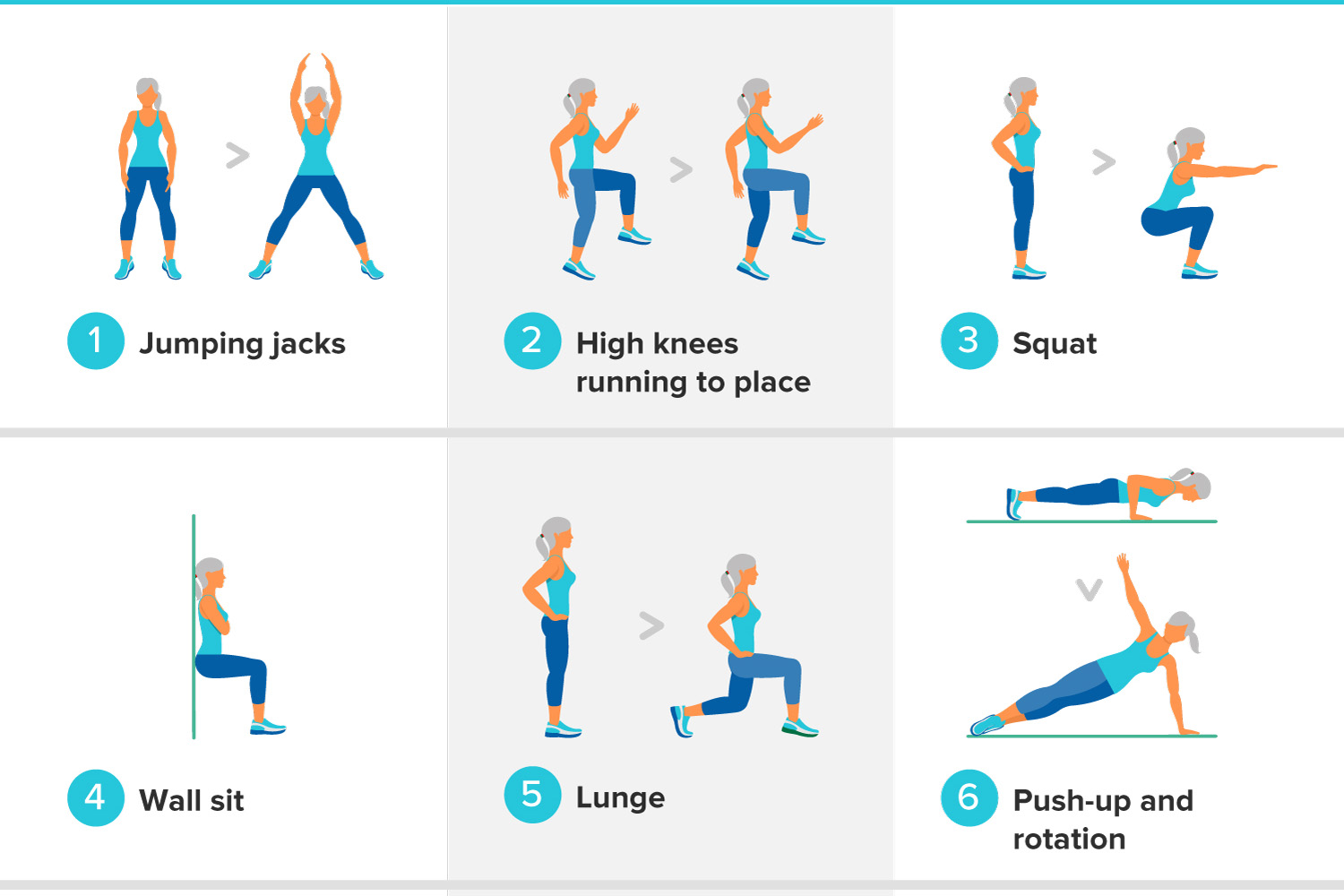
- Choose exercises that you enjoy, such as jumping jacks, burpees, or cycling.
- Incorporate HIIT into your weekly schedule, aiming for 2 to 3 sessions per week.
- Always warm up before starting, and cool down afterward to prevent injuries.
- Listen to your body; if an exercise feels too difficult, modify it or decrease the intensity.
With consistency and dedication, HIIT can significantly improve your cardiovascular fitness and help you achieve your health goals.