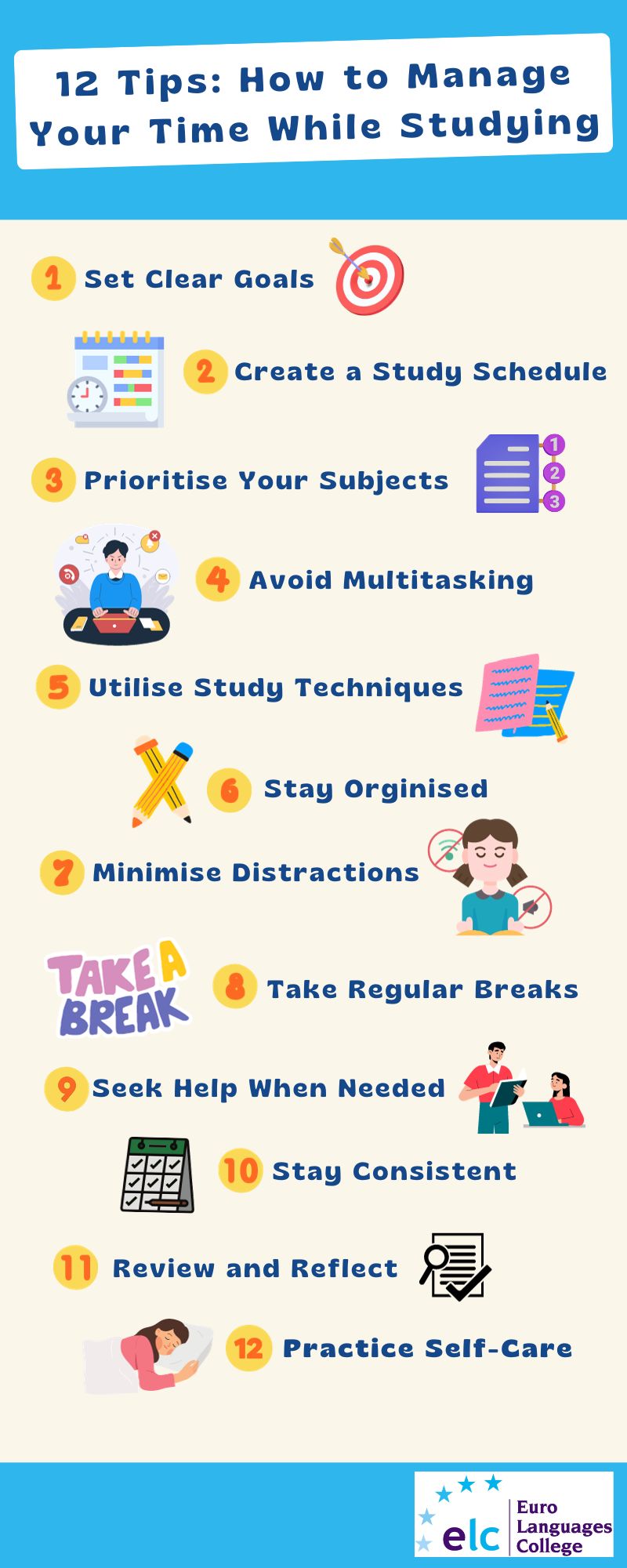
10 Proven Study Techniques to Maximize Your Learning Potential
In today’s fast-paced world, mastering effective study techniques is essential for maximizing your learning potential. Here are 10 proven study techniques that can significantly enhance your retention and understanding:
- Active Recall: This technique involves testing yourself on the material you’re trying to learn instead of passively reviewing it. Studies show that actively retrieving information strengthens your memory.
- Spaced Repetition: Instead of cramming, distribute your study sessions over time. This method leverages the psychological spacing effect, improving long-term retention. You can utilize tools like Anki for effective spaced repetition.
- Interleaved Practice: Mixing different subjects or types of problems during study can enhance learning by helping you make connections between concepts.
- Note-taking Techniques: Using methods like the Cornell Note-taking System can aid understanding and organization of information. Find out more about note-taking strategies here.
- Mnemonic Devices: Create acronyms or visual images to help remember complex information. Mnemonics can make recall easier and more enjoyable.
Continuing with these effective strategies, here are a few more techniques you can implement:
- Study Groups: Collaborating with peers can provide new insights and improve motivation. Teaching others is a great way to reinforce your own understanding.
- Elaborative Interrogation: Ask 'why' questions while you study to deepen your understanding of the material.
- Mind Mapping: Use visual aids to organize information and concepts in a logical structure, enhancing comprehension.
- Practice Testing: Take practice tests to familiarize yourself with the format and types of questions you may encounter.
- Healthy Habits: Remember that your physical well-being affects your cognitive function. Make sure to maintain a balanced diet, get adequate sleep, and exercise regularly for optimal brain performance.
By incorporating these study techniques into your routine, you can maximize your learning potential and achieve your academic goals.
How to Create a Personalized Study Plan for Your Learning Style
Creating a personalized study plan tailored to your learning style can significantly enhance your educational experience. Start by identifying your distinct style; whether you are a visual, auditory, or kinesthetic learner, knowing your strengths allows you to design an effective strategy. For example, Education Corner provides a comprehensive overview of different learning styles. Once you identify your type, you can craft a study schedule that incorporates various resources such as videos, podcasts, or hands-on activities that resonate with your preferences.
Next, it's essential to set clear, achievable goals within your study plan. Break these goals down into manageable tasks and allocate specific time slots for studying, ensuring to include breaks to avoid burnout. Consider using tools like Trello or When2Meet for organizing your study sessions. Remember to regularly assess your progress and make adjustments to your study plan as necessary, ensuring it remains aligned with your evolving learning style and objectives. This iterative approach will help in maximizing your retention and understanding of the material.
What Are the Most Effective Techniques for Retaining Information?
Retaining information effectively is crucial for academic success and personal development. One powerful technique is the use of spaced repetition, which involves reviewing information at increasing intervals to strengthen memory. According to a study published by the National Institutes of Health, spacing out learning sessions can significantly enhance long-term retention. Another valuable strategy is the method of loci, also known as the memory palace technique. This method allows individuals to visualize a familiar space and associate information with specific locations within that space, making recall much easier.
Additionally, utilizing active learning techniques can greatly improve information retention. Engaging with the material through summarizing, teaching others, or discussing concepts can help solidify knowledge. For instance, a report from Education Corner emphasizes that students who participate in discussions remember material better than those who take passive notes. Another effective method is the use of mnemonics, which are memory aids that help encode information through acronyms, rhymes, or visual imagery. Implementing these techniques not only makes learning more engaging but also promotes better retention in the long run.