Top 10 Tips for Maintaining a Healthy Aquarium
Maintaining a healthy aquarium is crucial for the well-being of your aquatic life. Here are Top 10 Tips for Maintaining a Healthy Aquarium that every tank owner should follow:
- Regular Water Changes: Change 10-15% of the water weekly to keep toxins at bay.
- Proper Filtration: Ensure your aquarium is equipped with a reliable filter to maintain water quality.
- Monitoring pH Levels: Regularly check pH levels, as fluctuations can stress fish. Ideal pH varies by species; find more here.
Tip 4: Avoid Overfeeding: Only feed your fish what they can consume in a few minutes to prevent waste buildup. Tip 5: Regularly Test Water Parameters: Keep an eye on ammonia and nitrate levels with a testing kit, commonly available at pet stores. You can find a detailed guide on water testing here.
- Control Lighting Duration: Limit lighting to 8-12 hours a day to discourage algae growth.
- Maintain the Right Temperature: Use a heater to keep the water temperature stable, suitable for your fish species.
- Plant Vegetation: Live plants enhance aesthetics and absorb toxic substances. Learn about the best plants here.
- Regularly Clean the Tank: Perform a light cleaning to remove debris and algae without disturbing beneficial bacteria.
- Seek Professional Advice: If in doubt or faced with issues, consult an aquarium specialist to prevent species-specific problems.
Common Aquarium Issues: How to Troubleshoot and Solve Problems
Maintaining a healthy aquarium environment is crucial for the well-being of your fish and aquatic plants. Common aquarium issues can arise due to various factors such as water quality, temperature fluctuations, or insufficient filtration. To troubleshoot these problems, it's important to regularly test your water parameters using a reliable water test kit. Check for ammonia, nitrite, and nitrate levels, as elevated readings can indicate distress for your aquatic life and require immediate action.
Another frequent issue is algae growth, which can quickly overtake your aquarium if not managed properly. If you notice excessive green or brown algae, consider adjusting your lighting duration and intensity. A maximum of 8-10 hours of light per day is generally recommended, along with regular water changes to remove excess nutrients. For more in-depth steps on managing algae and improving your aquarium's aesthetic, check out this guide to algae control.
What Fish Are Best for Beginners: A Guide to Starting Your Aquarium
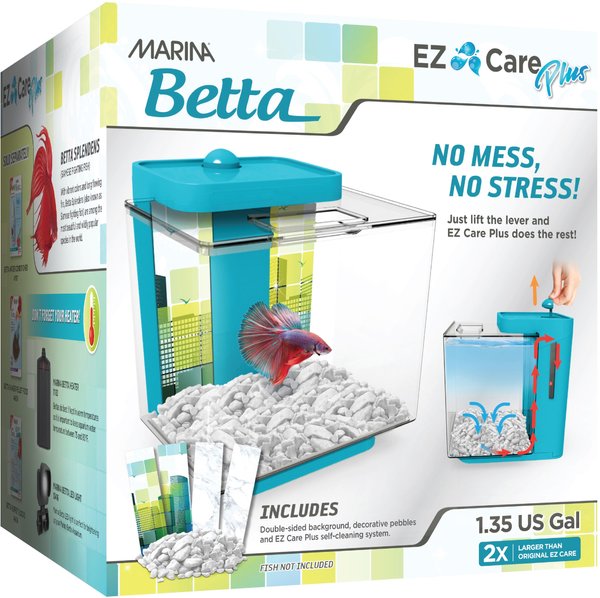
Starting an aquarium can be an exciting venture, especially for beginners who want to dive into the fascinating world of fish keeping. When choosing the best fish for beginners, it's essential to select species that are not only hardy but also easy to care for. Betta fish, for example, are known for their vibrant colors and minimal care requirements. Another excellent option is the goldfish, which are resilient and can thrive in various aquarium conditions. For those looking to establish a community tank, consider neon tetras or guppies, both of which are friendly and adapt well to new environments. For more tips, check out this guide.
When selecting fish for your aquarium, it's also important to think about their compatibility with one another. Angelfish can be a beautiful addition, but they require a larger tank and may not always get along with smaller species. Ensure that you research the specific needs and behavior of each fish type to create a harmonious environment. Don't forget to consider tank maintenance, water parameters, and feeding habits when planning your aquarium. For more detailed information on fish compatibility, read this helpful resource.