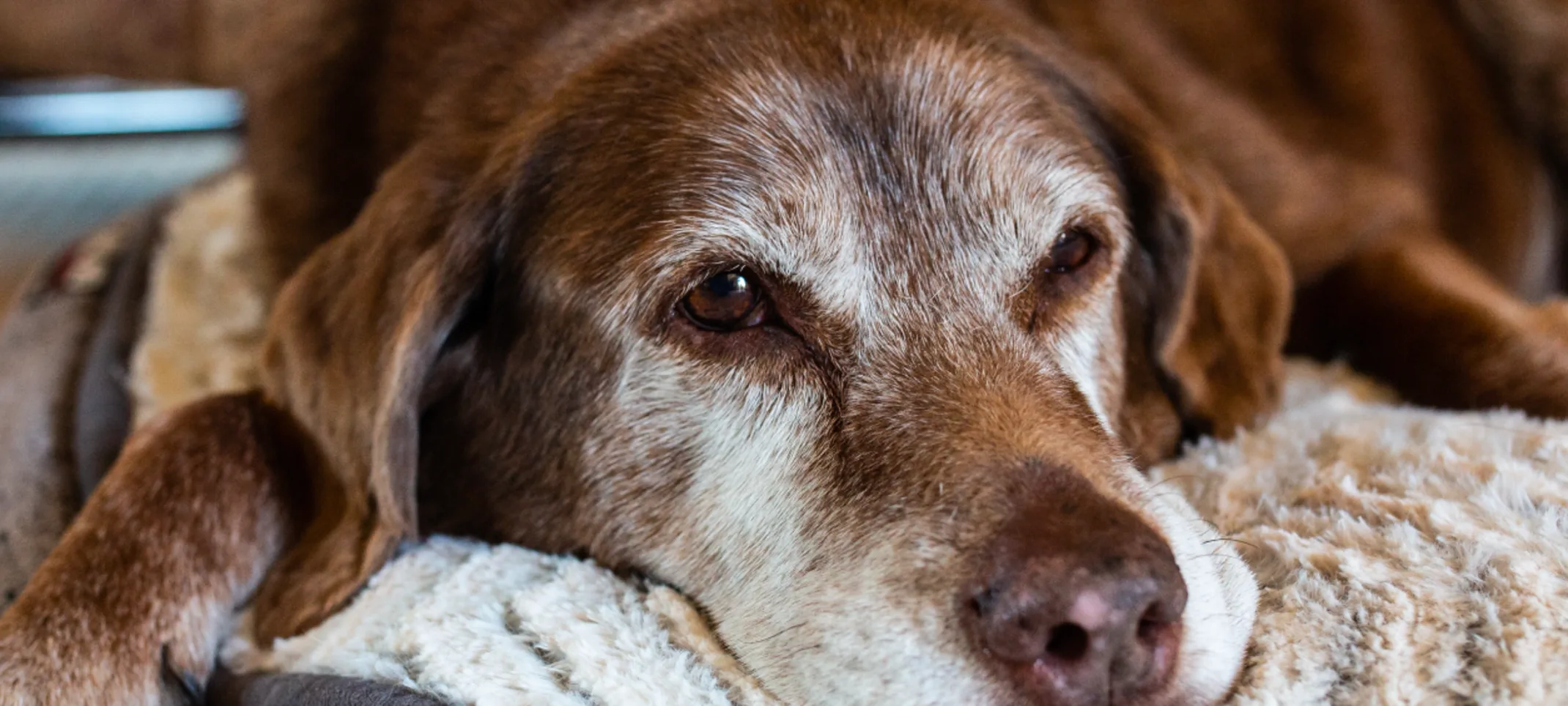
Top 10 Tips for Enhancing Your Senior Pet's Quality of Life
As our furry friends age, it's essential to prioritize their well-being and ensure their golden years are as comfortable as possible. Here are the Top 10 Tips for Enhancing Your Senior Pet's Quality of Life:
- Regular Vet Check-ups: Schedule more frequent visits to the veterinarian to monitor health concerns specific to senior pets.
- Nutrition: Provide a balanced diet tailored to your senior pet’s needs, focusing on joint health and weight management.
- Comfortable Living Environment: Create a cozy space with soft bedding to ease joint pain and provide warmth.
- Gentle Exercise: Encourage low-impact activities to keep your pet active without overexertion.
- Mental Stimulation: Engage your pet with puzzles and interactive toys to keep their mind sharp.
- Maintain Grooming: Regular grooming can prevent discomfort from matting and help you check for any health issues.
- Hydration: Ensure access to fresh water at all times to support overall health.
- Monitor Behavior: Keep an eye on changes in behavior, appetite, or mobility, as these can indicate health issues.
- Adapt Home for Safety: Reduce hazards like slippery floors and remove obstacles to prevent falls.
- Quality Time: Spend more time with your senior pet, as companionship can significantly enhance their emotional well-being.
Understanding Common Health Issues in Senior Pets: What Every Owner Should Know
As our beloved pets age, they become more susceptible to various health issues. Senior pets, like dogs and cats, often face challenges such as arthritis, dental disease, and obesity. Recognizing the signs of these common health problems is crucial for early intervention and treatment. For instance, if you notice your pet hesitating to jump or play, it may be exhibiting signs of arthritis. Regular veterinary check-ups can help monitor your pet's health and address any issues before they become severe.
Additionally, maintaining a balanced diet and appropriate exercise routine is essential for the well-being of senior pets. Here are some common health concerns to consider:
- Arthritis: Often manifests as stiffness or limping.
- Dental Issues: Look for bad breath or difficulty eating.
- Obesity: Weight management is crucial to prevent further complications.
Being proactive about your senior pet's health can significantly improve their quality of life, ensuring they remain happy and comfortable in their twilight years.
How to Create a Comfortable Living Space for Your Aging Fur Friend
Creating a comfortable living space for your aging fur friend involves understanding their specific needs and making thoughtful adjustments to your home. Start by ensuring that their sleeping area is warm and inviting. Consider using orthopedic beds that provide support for aching joints, and add soft blankets to warm their space. Additionally, keep their favorite toys and blankets nearby to create a sense of familiarity and safety. If your furry friend has difficulty navigating stairs, make sure to provide easy access to their living areas by utilizing ramps or baby gates.
Another essential aspect of creating a comfortable living environment is considering lighting and accessibility. Ensure that your home is well-lit, especially in areas where your pet frequents, to help them navigate safely. Use rugs or mats to prevent slipping and provide cushioning for their paws. You might also want to arrange their food and water stations within easy reach to minimize unnecessary strain. If your aging fur friend has any mobility issues, consider installing pet-friendly features, such as low-sided litter boxes or water bowls, which can significantly enhance their overall comfort and quality of life.